


Karate-Do for Children & Youth | Discipline, Fitness & Self-Defense Training
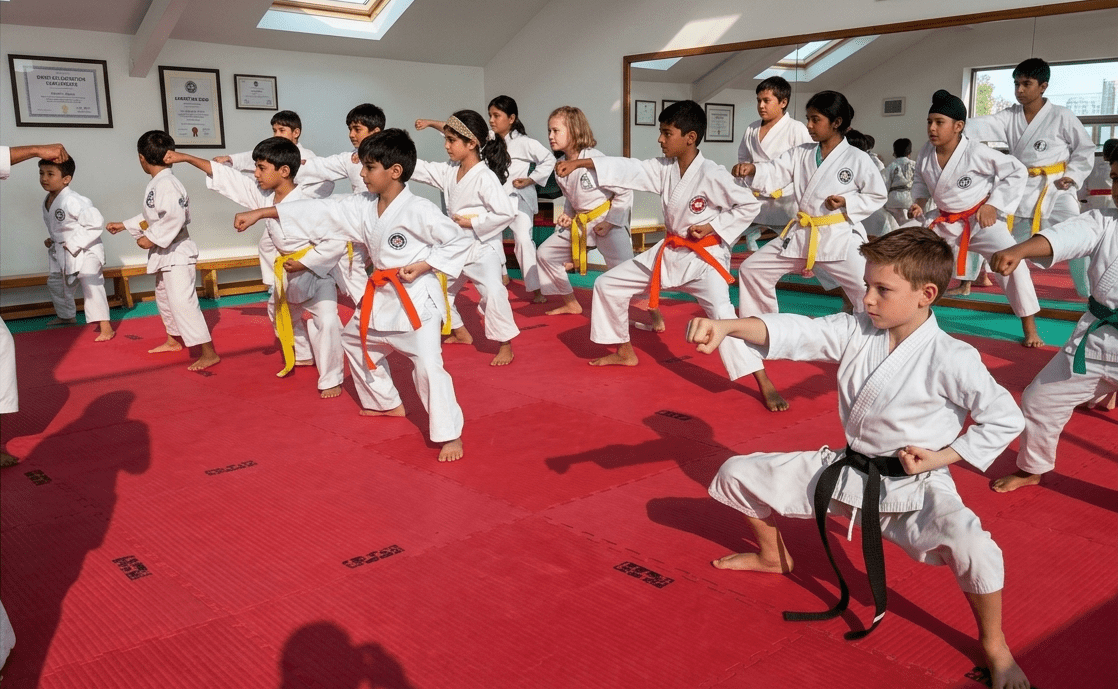
At our organization, we have thoughtfully structured programs for students below 18 years, divided into two focused groups:
- Karate Kids (3–13 years) – Early development stage
- Cadets & Juniors (14–19 years) – Growth and performance stage
Each group follows a progressive training pathway—from foundational movements to advanced Karate-Do techniques—ensuring well-rounded development across physical ability, mental focus, and character.
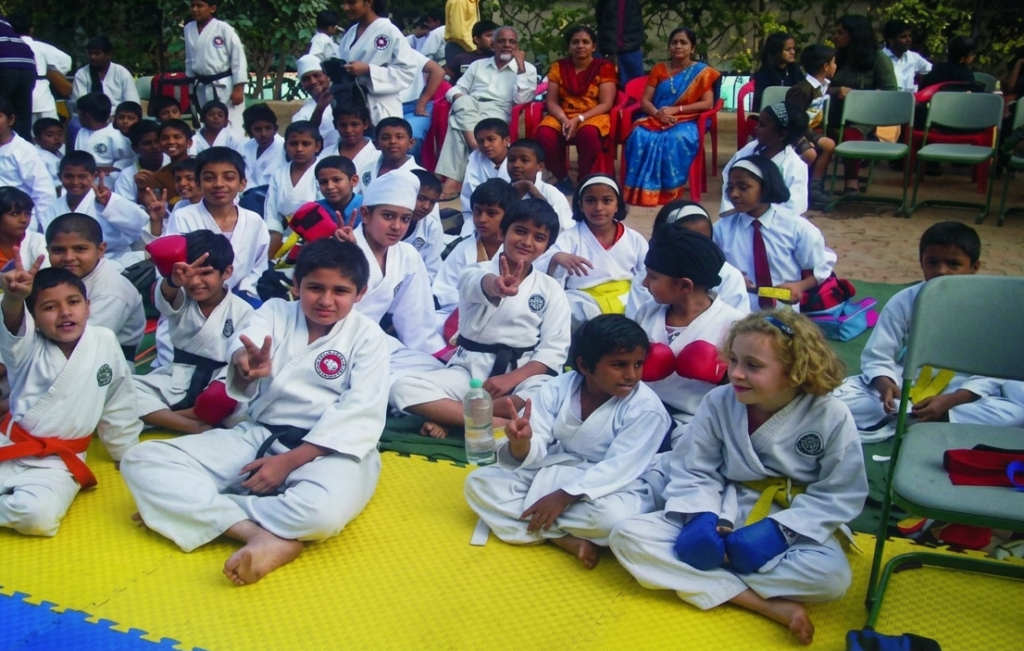
Our students actively participate in school events, inter-dojo competitions, and demonstrations, consistently showcasing discipline, confidence, and technical skill.
Structured Growth Through Training
Children naturally possess high levels of energy. Our training channels this energy into structured practice, helping them develop coordination, control, and focus. Sessions are carefully designed according to age and physical development, ensuring safe and effective learning at every stage.
We also conduct regular Kata and Kumite events, giving students opportunities to test their skills, build competitive spirit, and gain real-world experience in a supportive environment.
Character Development Through Practice
Karate-Do training goes beyond physical techniques. It instills essential life values such as:
- Discipline and consistency
- Respect for instructors, peers, and self
- Patience and emotional control
- Goal-setting and perseverance
The grading system plays a key role in this journey. Each belt earned represents dedication and progress, motivating students to continuously improve while learning humility and responsibility.
Senior students are encouraged to lead by example, creating a culture of mutual respect and mentorship within the dojo.
Positive Impact on Daily Life
Karate-Do training goes beyond physical techniques. It instills essential life values such as: Discipline and consistency, Respect for instructors, peers, and self, Patience and emotional control Goal-setting and perseverance. The grading system plays a key role in this journey. Each belt earned represents dedication and progress, motivating students to continuously improve while learning humility and responsibility. Senior students are encouraged to lead by example, creating a culture of mutual respect and mentorship within the dojo.
Positive Impact on Daily Life
Many parents observe noticeable improvements in their children after consistent training. These include: Better focus and concentration, Improved time management, Increased confidence in academics and social environments. Karate-Do provides a structured routine that positively influences a child’s overall lifestyle.
Safe and Responsible Self-Defense
Self-defense is an integral part of Karate-Do, but it is always taught with responsibility and awareness. Students learn:
- Situational awareness and avoidance strategies
- Controlled techniques for protection
- The importance of restraint and discipline
We emphasize that Karate is strictly for self-defense and personal safety—not for aggression or misuse.
A Healthy and Engaging Activity
In today’s digital age, it is essential for children to stay physically active. Karate-Do offers an engaging alternative combining movement, learning, and enjoyment in a disciplined environment.
Training sessions are designed to be dynamic and motivating, ensuring that students remain enthusiastic while developing valuable skills.
Role of Parents in the Journey
Parental involvement plays a crucial role in a child’s progress. Regular communication between parents and instructors helps reinforce discipline, consistency, and positive habits both inside and outside the dojo. A strong partnership between instructors and parents ensures the best possible development for every student.
Guiding Interest in Martial Arts
Children are often inspired by martial arts icons like Jackie Chan and Bruce Lee. When this interest is guided through proper training, it transforms into disciplined practice, structured learning, and meaningful personal growth.







