


Why Karate-Do Should Be Taught in Schools | Benefits of Martial Arts Education
Importance of Karate-Do Education and Training in Schools. Learning and training in Karate-Do at our academy helps children not only develop self-defense skills, but also prepares them to face the future with confidence, discipline, and strength of character. We teach Karate from basic to advanced levels, ensuring the complete physical, mental, and moral development of every Karateka (Karate student). Our programs are designed even for young children, starting from the age of 3, who actively participate in school demonstrations and competitions with great success.
We believe that every student is valuable, and we focus on nurturing each child individually. Many parents have observed significant improvements in their children’s academic performance, concentration, behavior, and overall personality through Karate-Do training.
To encourage growth and confidence, we regularly organize Kata (forms) and Kumite (sparring) competitions. We are proud to have produced several young champions, including one of the youngest Black Belt holders at the age of 10, who has won multiple championships.
Children are naturally energetic and often influenced by martial arts icons like Bruce Lee and Jackie Chan. Karate-Do provides the right direction to channel this energy positively into discipline, focus, and self-growth.
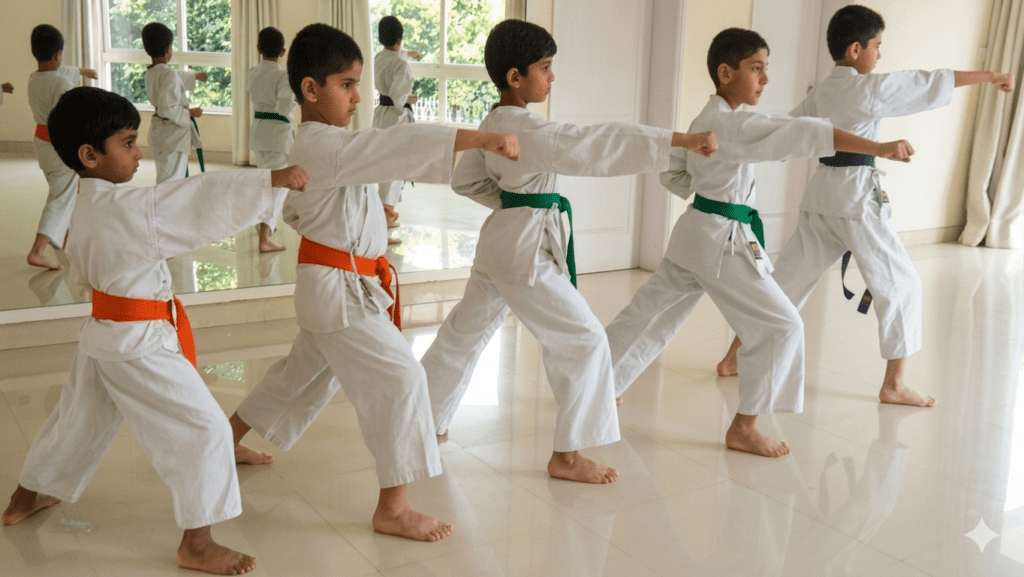
Benefits of Karate-Do Training for Children
1. Discipline and Focus
Discipline is the foundation of success in any field. Karate training helps children develop self-discipline, consistency, and respect for structure, leading to improved concentration and academic performance.
2. Physical Fitness and Health
Karate-Do promotes strength, flexibility, coordination, and endurance. Training is carefully designed to suit growing children, ensuring safety and healthy development.
3. Sincerity and Dedication
Karate instills commitment and perseverance, helping children stay focused and consistent in achieving their goals.
4. Overcoming Casual Attitude
Karate training teaches children to take responsibility, work on their weaknesses, and build self-confidence and determination.
5. Character and Conduct
Karate develops respect, humility, and responsibility. The belt grading system encourages children to work hard and earn their progress with pride.
6. Confidence and Self-Defense
Karate empowers children with practical self-defense skills and the confidence to handle challenging situations calmly.
7. Fun and Positive Activity
Karate is an enjoyable activity that keeps children active, engaged, and away from excessive screen time, while learning valuable life skills.
The importance of Karate-Do education in schools goes far beyond physical training. It builds
discipline, confidence, respect, and resilience, shaping children into well-rounded individuals.
Karate-Do is not just a sport—it is a powerful system for life development.
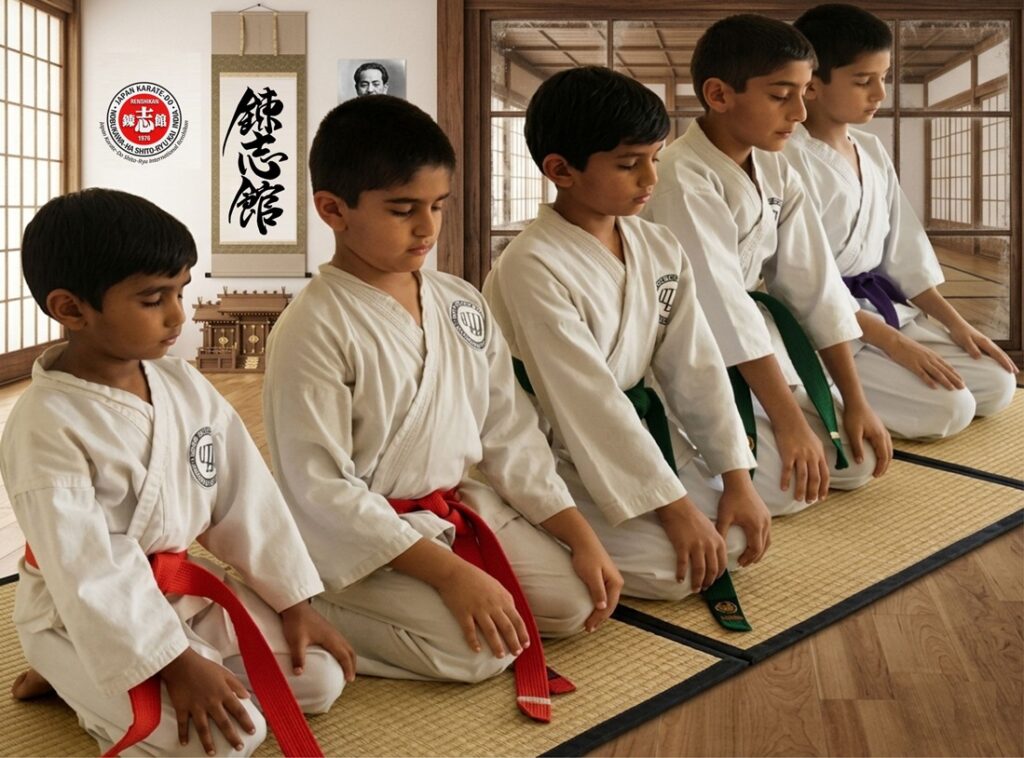
Important Consideration: Qualified Karate Instruction in Schools
As Karate-Do continues to gain popularity in schools, it is important to ensure that students receive safe, structured, and high-quality instruction.While many instructors may hold a Black Belt, it is widely understood within martial arts that rank alone does not necessarily reflect teaching experience, instructional training, or certification authority required for working with children in an educational environment.
Effective Karate instruction typically involves:
Age-appropriate teaching methods and safety awareness
Structured curriculum and progressive skill development
Clear and consistent evaluation standards for grading
Guidance in both technical skills and character development
In some cases, schools may select programs based on convenience or budget considerations. For this reason, it becomes especially important to carefully evaluate the overall quality, structure, and recognition of the training being offered.
Karate-Do is a disciplined and traditional art that benefits greatly from qualified, experienced, and properly authorized instruction. This helps ensure that students receive meaningful training, consistent progress, and credible recognition of their achievements.
Parents and educational institutions are encouraged to review:
Instructor qualifications and teaching experience
Affiliation or recognition of the organization
Structure of the training and grading system
Taking these factors into account helps ensure that children receive safe, authentic, and development-focused Karate education.







